How Do You Know If You Need an Apicoectomy? Recognizing the Signs and Solutions
March 2024
You're enjoying a leisurely day when suddenly, it hits you—a throbbing ache in your tooth that refuses to be ignored. You've been down this road before, having undergone a root canal treatment, but alas, the pain persists like an unwelcome guest overstaying its welcome. Before you resign yourself to a lifetime of discomfort, consider this: you might just be a candidate for an apicoectomy—a procedure that sounds intimidating but could be the ticket to bidding farewell to that persistent toothache once and for all. So, how do you know if you need an apicoectomy? Let's embark on a journey to unravel the mysteries of dental distress and discover the signs that may indicate it's time to explore this intriguing solution.
Signs That You Might Need an Apicoectomy
Persistent Pain and Swelling: You've undergone a root canal, yet the pain and swelling persist like unwelcome guests overstaying their welcome. It's like your tooth is throwing a party you didn't sign up for, and it's time to show them the exit.
Exposed Tooth Root: Your dentist has revealed the root of your tooth, and it's not a pretty sight. This exposure could be a sign that something deeper is amiss and warrants further investigation.
Signs of Infection or Inflammation: Are you experiencing redness, tenderness, or even drainage around the affected area? These are all signs that your tooth might be waging war against invading bacteria, and it's time to intervene before things escalate.
What Exactly is an Apicoectomy, Anyway?
So, you've found yourself nodding along to the aforementioned symptoms—now what? Enter the apicoectomy, a minor surgical procedure designed to address issues at the tip of a tooth's root. Picture this: while a root canal treats infections within the tooth's root canal system, an apicoectomy targets the very tip of the root, where stubborn infections or calcium deposits may linger despite previous treatment attempts.
The Apicoectomy Procedure
Numbing the Area: Fear not, for before embarking on this journey, your dentist will ensure you're nice and numb, sparing you from any discomfort during the procedure.
Accessing the Affected Tooth: With the magic of local anesthesia at play, your dentist will make a small incision in the gum tissue to access the root tip of the affected tooth.
Removing the Infected Tissues: Once the root tip is exposed, your skilled dental professional will delicately remove infected or inflamed tissues, bidding farewell to those unwelcome guests causing all the trouble.
Sealing the Deal: With the root tip cleansed and sanitized, a small filling is placed to seal off the root canal and prevent any future mischief from brewing.
Apicoectomy Recovery and Long-Term Success
Now that the deed is done, what can you expect on the road to recovery? Fear not, for while minor discomfort and swelling are par for the course, your dentist will arm you with anti-inflammatories and pain relievers to keep you comfortable as your body works its magic. As for the long-term success rate of apicoectomy, studies have shown promising results, with many patients enjoying years, if not decades, of restored dental health and blissful freedom from pain.
Apicoectomy Cost and Considerations
Ah, the dreaded cost question. While the price tag of an apicoectomy may vary depending on factors such as location and the complexity of the procedure, many dental insurance plans cover a portion of the cost, making it a feasible option for those in need. When weighing the decision between a root canal or an apicoectomy, consider the potential long-term benefits and the opportunity to save your natural tooth, a priceless investment in your oral health.
Your Solution to the Persistent Pain
If you need a trusted dental service for your apicoectomy, consider Radiodental's apicoectomy service for expert care and lasting results. At Radiodental, we pride ourselves on our commitment to excellence and patient satisfaction. Our team of experienced professionals utilizes state-of-the-art technology and techniques to ensure the best possible outcomes for every patient.
With Radiodental, you can trust that you're in capable hands, receiving personalized care tailored to your unique needs. Say goodbye to dental discomfort and hello to a brighter, healthier smile with Radiodental. Schedule an appointment with us today and experience the difference firsthand.

Invisalign vs. Braces for Teens in Medford, NY: Which is Better?
April 2026Key Takeaways Traditional braces are usually better for complex dental issues, while Invisalign is great for mild to moderate cases. Invisalign aligners are removable, which makes it much easier to keep teeth ...
How to Find the Best Dentures Dentist in Huntington, NY?
April 2026Key Takeaways Finding the best dentures dentist in Huntington, NY requires evaluating experience, services, and patient reviews. Look for providers offering full and partial dentures that Huntington residents trust. Comfort, fit, and long-term ...
Root Canal vs Tooth Extraction in Huntington, NY: Which Option Is Better
April 2026Key Takeaways Saving your natural tooth with a root canal is usually the better choice for your long-term health and bite alignment. Tooth extraction is often simpler and cheaper upfront but leads ...
How to Choose the Right Dentist for Dental Veneers in Hicksville, NY
April 2026Key Takeaways A cosmetic dentist should have specific training and a portfolio of successful veneer cases. The material choice between porcelain and composite affects both the price and how long the veneers ...
Handling Dental Emergencies: What NYC Patients Need to Know
Key Takeaways Contact a dentist immediately or head to an emergency room if you have uncontrolled bleeding or broken facial bones. A knocked out tooth has the best chance of being saved ...
Can You Get Dental Implants with Bone Loss in Plainview, NY?
March 2026Key Takeaways Jawbone loss is common after losing teeth but does not automatically disqualify you from getting dental implants. Advanced techniques like bone grafting and sinus lifts can rebuild your jaw to ...
Smart Ways to Spend Your Tax Refund on Dental Care
March 2026Key Takeaways A tax refund can cover preventive care entirely or serve as a significant down payment for major procedures like implants. Putting off dental work can lead to expensive complications like ...
How Do You Prevent Gum Disease Around Dental Implants?
March 2026Key Takeaways Plaque buildup is the main cause of infection around dental implants Nearly half of all adults over age thirty deal with some form of gum disease Professional cleanings twice a year ...
What Are the Latest Orthodontic Innovations That Are Making Treatment Faster?
February 2026Key Takeaways Orthodontic innovations are making treatment faster, smarter, and more comfortable AI orthodontics improves accuracy through AI treatment planning and visualization simulations Clear aligner innovations and smarttrack aligners support better tracking and ...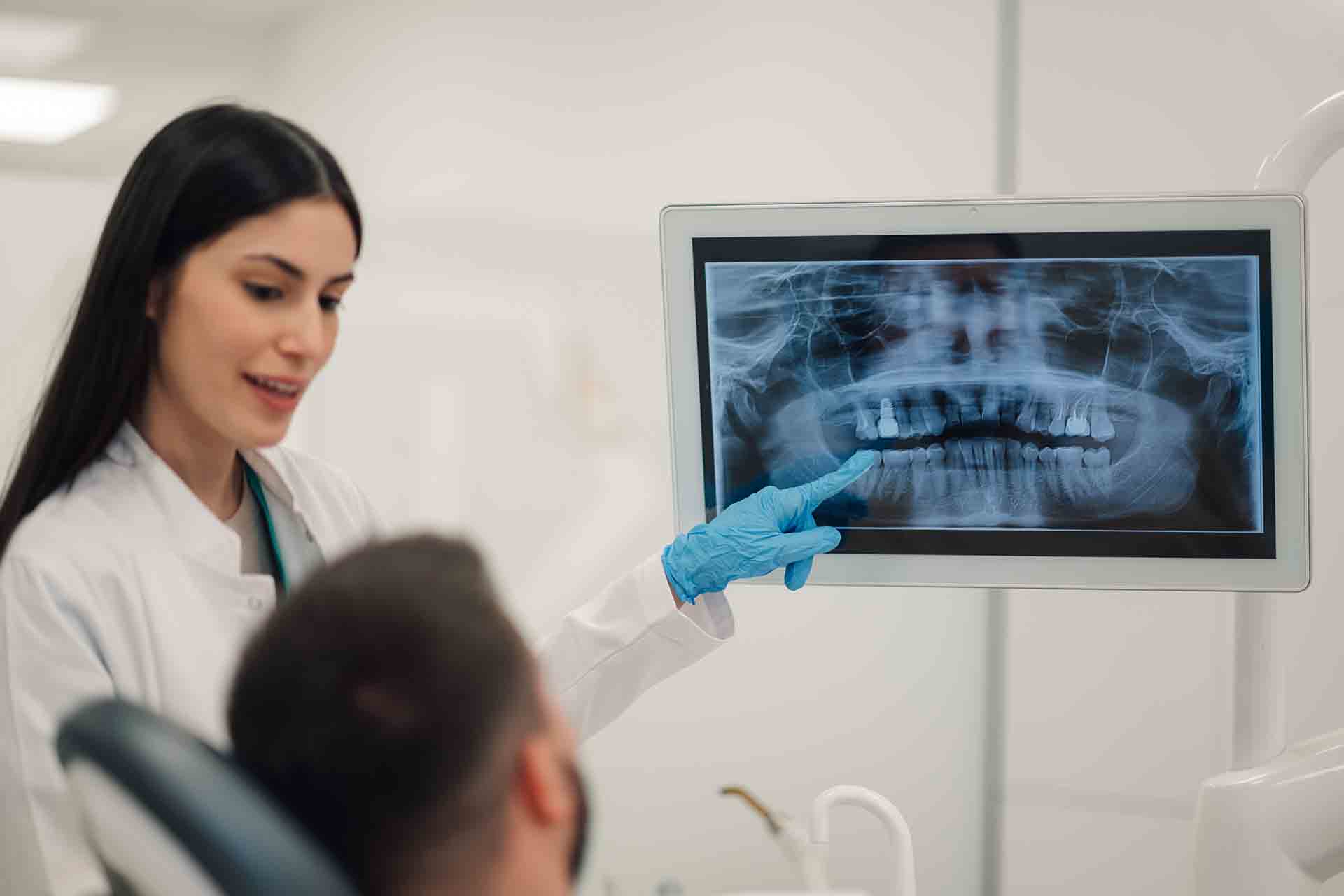
A Complete Guide to Restoring Damaged Teeth in New York
January 2026Key Takeaways:- Restoring damaged teeth is more reliable than ever with modern dentistry Early treatment helps repair damaged teeth before problems progress Damaged enamel restoration focuses on mineralization and protection, not true regrowth Restorative ...
Preventive Dental Care Trends in 2026: Early Detection & Smart Care
January 2026Key Takeaways:- Preventive dental care trends in 2026 are all about catching problems early and tailoring care to each patient Digital diagnostics and smart oral devices make proactive dental care easier than ...
Is Professional Teeth Whitening Worth the Cost in New York?
January 2026Key Takeaways Professional teeth whitening delivers faster, longer-lasting results In-office treatments are safer than over-the-counter kits Whitening improves confidence and smile appearance Dentist-guided whitening reduces sensitivity risks Results typically last 6–12 months with good care Professional ...

We speak different languages