Preventive Dental Care Trends in 2026: Early Detection & Smart Care
January 2026
Key Takeaways:-
- Preventive dental care trends in 2026 are all about catching problems early and tailoring care to each patient
- Digital diagnostics and smart oral devices make proactive dental care easier than ever
- Pulpotomy remains the most common endodontic procedure for primary teeth
- Regular dental checkups are still essential, even with advanced technology
- Preventive care helps lower long-term costs and reduces the need for invasive treatments
Most people are surprised to learn that dental problems rarely start with pain. In fact, according to the American Dental Association, nearly 90 percent of dental issues are preventable with timely care. That insight explains why preventive dental care trends in 2026 are getting so much attention. Instead of reacting to cavities or gum disease, more patients are choosing early action, smarter monitoring, and long-term smile protection.
In 2026, dentistry has clearly moved away from a wait-and-see approach. It is proactive, data-driven, and focused on preserving natural teeth for life.
What This Blog Covers
This blog walks you through:
- The most important dental preventive trends shaping in 2026
- How early detection supports smile protection in 2026
- How preventive dentistry is evolving for children
- What endodontic procedure is performed on primary teeth
- Why regular dental checkups still matter
What Are Preventive Dental Care Trends in 2026?
Preventive dental care trends in 2026 refer to modern strategies designed to prevent oral health problems before they occur and cause serious harm. Rather than waiting for visible damage or discomfort, dentists now focus on early detection, risk assessments, and personalized prevention plans.
Thanks to advances in oral care trends in 2026, issues like plaque buildup, enamel erosion, and gum inflammation can often be identified much earlier. This allows treatment to be simpler, more comfortable, and more effective for patients.
Top Dental Preventive Trends Shaping 2026 Oral Health
The preventive dentistry future is built around technology paired with personalized care. Some of the most notable 2026 oral health trends include:
- AI-powered imaging for early cavity detection
- Digital risk assessments to monitor gum health and decay
- Teledentistry for preventive follow-ups and check-ins
- Smart oral devices and hygiene apps that track daily habits
- Preventive fluoride treatments to strengthen enamel
Together, these oral hygiene trends help patients stay ahead of dental problems and support long-term dental wellness.
How Preventive Dentistry Is Evolving for Children
Children’s oral health has become a major focus of smile protection 2026. Healthy baby teeth play an important role in chewing, speech development, and maintaining proper spacing for adult teeth.
When decay reaches the inner portion of a baby tooth, parents often ask an important and very specific question: what endodontic procedure is performed on primary teeth?
What Endodontic Procedure Is Performed on Primary Teeth?
The most common endodontic procedure performed on primary teeth is a pulpotomy. This treatment removes infected pulp tissue from the crown of the tooth while leaving the roots intact, allowing the tooth to stay in place until it naturally falls out.
By preserving the tooth, a pulpotomy helps reduce pain, prevent the spread of infection, and support healthy oral development.
Why Early Detection Matters More Than Ever
One of the biggest preventive oral trends today is early detection. Many dental concerns develop quietly, without obvious symptoms. With modern imaging and diagnostics, dentists can identify issues before they cause discomfort.
Early detection offers several clear benefits:
- Fewer invasive procedures
- Better gum health and enamel preservation
- Lower lifetime dental costs
- Fewer dental emergencies
These advantages align with future preventive dentistry and smarter smile health strategies.
Are Dental Checkups Still Important in 2026?
Yes, absolutely. Dental checkups in 2026 are more valuable than ever because they combine advanced technology with hands-on preventive care.
A modern checkup may include:
- Digital scans for early decay detection
- Professional plaque removal
- Gum health evaluations
- Preventive fluoride treatments
- Personalized oral care guidance
Routine visits continue to be a cornerstone of annual dental trends and proactive dental care.
FAQs:
Q1. How often should I visit the dentist?
A. Most patients benefit from visits every six months, though some may need more frequent care based on individual risk.
Q2. Can preventive dentistry really reduce major treatments?
A. Yes. The American Dental Association confirms that preventive care lowers the need for root canals, extractions, and advanced procedures.
Q3. Is teledentistry reliable for prevention?
A. Teledentistry works well for monitoring oral hygiene habits and identifying early concerns, though it does not replace in-office exams.
Q4. When should children begin dental visits?
A. A child should see a dentist by age one or within six months of their first tooth.
Q5. Does preventive care save money long term?
A. In most cases, yes. Early intervention helps avoid complex and costly treatments later.
Protect Your Smile with Raio Dental
The future of dentistry is personal, proactive, and prevention-driven. By following preventive dental care trends in 2026, patients can protect their smiles, reduce dental anxiety, and avoid unnecessary procedures. At Raio Dental, preventive care is the foundation of every treatment plan, combining advanced diagnostics, patient education, and a thoughtful approach to long-term oral health.
Book your preventive consultation at Raio Dental today and take a confident step toward a healthier smile all year long.

Invisalign vs. Braces for Teens in Medford, NY: Which is Better?
April 2026Key Takeaways Traditional braces are usually better for complex dental issues, while Invisalign is great for mild to moderate cases. Invisalign aligners are removable, which makes it much easier to keep teeth ...
How to Find the Best Dentures Dentist in Huntington, NY?
April 2026Key Takeaways Finding the best dentures dentist in Huntington, NY requires evaluating experience, services, and patient reviews. Look for providers offering full and partial dentures that Huntington residents trust. Comfort, fit, and long-term ...
Root Canal vs Tooth Extraction in Huntington, NY: Which Option Is Better
April 2026Key Takeaways Saving your natural tooth with a root canal is usually the better choice for your long-term health and bite alignment. Tooth extraction is often simpler and cheaper upfront but leads ...
How to Choose the Right Dentist for Dental Veneers in Hicksville, NY
April 2026Key Takeaways A cosmetic dentist should have specific training and a portfolio of successful veneer cases. The material choice between porcelain and composite affects both the price and how long the veneers ...
Handling Dental Emergencies: What NYC Patients Need to Know
Key Takeaways Contact a dentist immediately or head to an emergency room if you have uncontrolled bleeding or broken facial bones. A knocked out tooth has the best chance of being saved ...
Can You Get Dental Implants with Bone Loss in Plainview, NY?
March 2026Key Takeaways Jawbone loss is common after losing teeth but does not automatically disqualify you from getting dental implants. Advanced techniques like bone grafting and sinus lifts can rebuild your jaw to ...
Smart Ways to Spend Your Tax Refund on Dental Care
March 2026Key Takeaways A tax refund can cover preventive care entirely or serve as a significant down payment for major procedures like implants. Putting off dental work can lead to expensive complications like ...
How Do You Prevent Gum Disease Around Dental Implants?
March 2026Key Takeaways Plaque buildup is the main cause of infection around dental implants Nearly half of all adults over age thirty deal with some form of gum disease Professional cleanings twice a year ...
What Are the Latest Orthodontic Innovations That Are Making Treatment Faster?
February 2026Key Takeaways Orthodontic innovations are making treatment faster, smarter, and more comfortable AI orthodontics improves accuracy through AI treatment planning and visualization simulations Clear aligner innovations and smarttrack aligners support better tracking and ...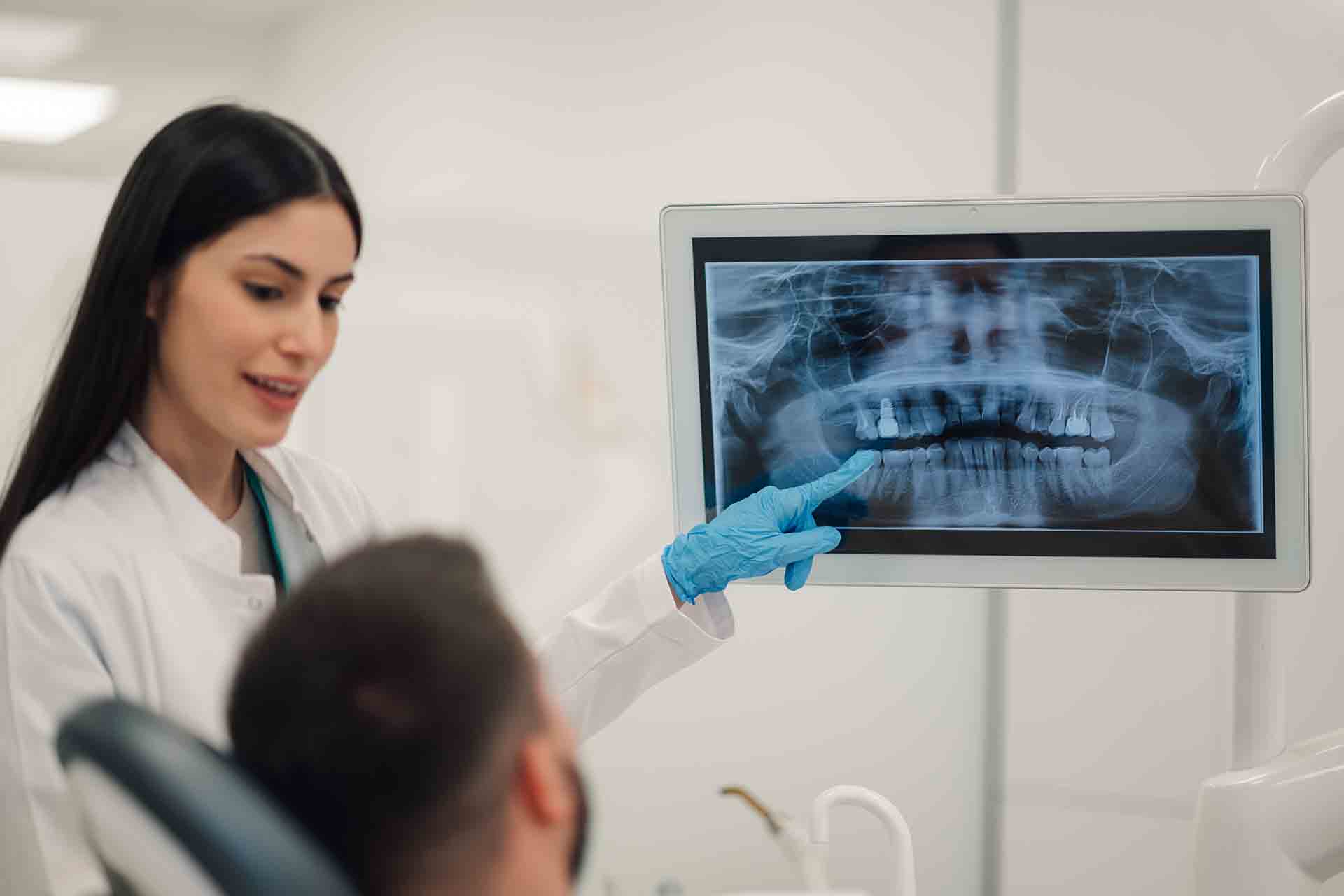
A Complete Guide to Restoring Damaged Teeth in New York
January 2026Key Takeaways:- Restoring damaged teeth is more reliable than ever with modern dentistry Early treatment helps repair damaged teeth before problems progress Damaged enamel restoration focuses on mineralization and protection, not true regrowth Restorative ...Preventive Dental Care Trends in 2026: Early Detection & Smart Care
January 2026Key Takeaways:- Preventive dental care trends in 2026 are all about catching problems early and tailoring care to each patient Digital diagnostics and smart oral devices make proactive dental care easier than ...
Is Professional Teeth Whitening Worth the Cost in New York?
January 2026Key Takeaways Professional teeth whitening delivers faster, longer-lasting results In-office treatments are safer than over-the-counter kits Whitening improves confidence and smile appearance Dentist-guided whitening reduces sensitivity risks Results typically last 6–12 months with good care Professional ...

We speak different languages